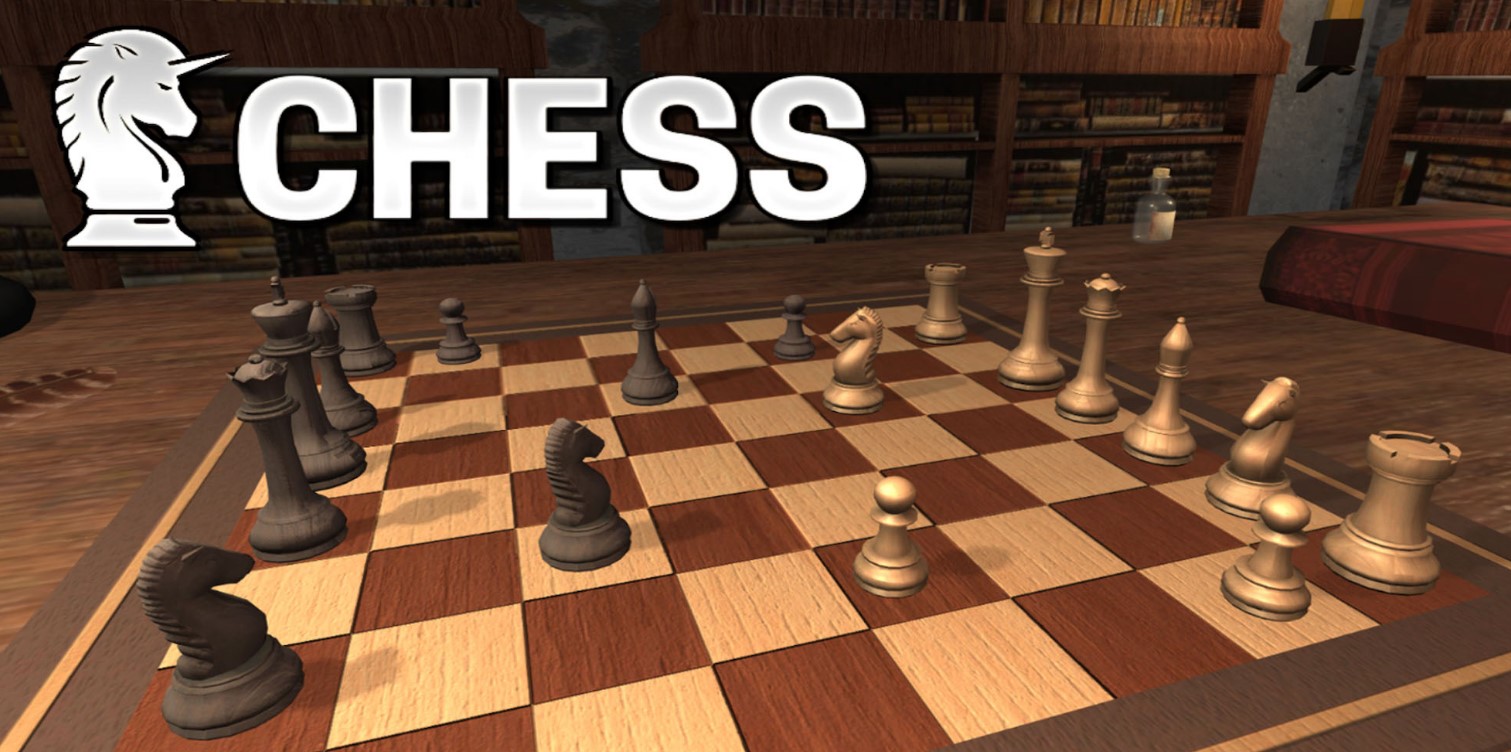
It is a legendary strategy board game renowned for its deep tactical gameplay, intellectual challenge, and timeless appeal. Played for centuries, it has captivated millions of players worldwide with its blend of strategy, foresight, and competitive intensity.
This article explores the origins, gameplay, features, and enduring appeal of Chess, as well as ways to enjoy this iconic game for both casual players and competitive enthusiasts.
Set on a checkered board of 64 squares, Chess immerses players in a battle of wits. Each player commands an army of 16 pieces, including pawns, knights, bishops, rooks, a queen, and a king, all with distinct movements and strategic roles.
With its rich history, intellectual depth, and endless strategic possibilities, Chess has become a cornerstone of board games worldwide, continuously inspiring tournaments, online play, and modern digital adaptations.
Development and Release of Chess
Chess originated in India around the 6th century as a game called Chaturanga, later evolving through Persia and Europe to form the modern rules we know today. Over centuries, the game spread across continents, becoming a universal symbol of strategy and intellect.
While, if you couldn’t get enough of this game, give Bloons TD 5 a try, it’s a captivating adventure that will keep you engaged.
Chess has been formalized with standardized rules, international tournaments, and ranking systems. Organizations like FIDE (Fédération Internationale des Échecs) regulate competitive play, while digital versions allow millions to play online with friends or global opponents.
Storyline and Setting of Chess
While Chess does not feature a storyline in the traditional sense, the game’s setting is highly strategic, with each piece representing a unique role in a medieval battlefield. The king symbolizes leadership, the queen embodies power, while other pieces like knights, bishops, and pawns represent various tactical units.
The game’s narrative emerges through the flow of play, with players crafting their own battles, strategies, and dramatic comebacks. Each match tells a story of intellect, foresight, and tactical mastery, keeping players engaged in the challenge of checkmate and defense.
Game Modes in Chess
Chess offers several game modes for different playstyles and skill levels:
- Standard/Classic Chess: This mode follows traditional chess rules, with both players starting from equal positions, making it ideal for long, strategy-focused matches that test planning and foresight.
- Blitz Chess: Fast-paced chess games with shorter time limits challenge players to think quickly and react instantly, emphasizing speed alongside tactical accuracy.
- Bullet Chess: Extremely rapid games with minimal time per player push even the fastest thinkers to make immediate decisions, testing both reflexes and high-pressure tactics.
- Online Multiplayer: Compete against players worldwide through popular platforms like Chess.com or Lichess, offering opportunities for ranked matches, tournaments, and real-time challenges.
- Puzzle/Training Modes: Dedicated modes for solving tactical puzzles or practicing specific strategies help players refine skills, improve pattern recognition, and strengthen overall gameplay.
Gameplay Mechanics of Chess
The gameplay revolves around strategic planning, tactical execution, and foresight:
- Piece Movement: Each piece follows its own unique movement rules, and understanding these patterns adds layers of strategic complexity that influence every decision on the board.
- Opening Strategies: The early moves focus on controlling key squares, developing pieces efficiently, and protecting the king, helping players gain a solid advantage right from the start.
- Midgame Tactics: This stage involves executing tactical ideas such as combinations, pins, forks, and discovered attacks to gain material or positional benefits over the opponent.
- Endgame Techniques: In the final phase, players rely on precise and calculated moves to promote pawns, deliver checkmate, or secure a draw when material is limited.
- Time Management: In timed matches, players must allocate their time wisely, balancing deep calculations with quick decisions to avoid blunders under pressure.
Additionaly, if you couldn’t get enough of Chess, give Europa Universalis IV a try, it’s a captivating adventure that will keep you engaged.
Beginner Tips and Tricks
New players can improve their Chess gameplay by following these suggestions:
- Learn Piece Movements: Take time to fully understand how each piece moves and captures, as mastering these abilities is essential before attempting more complex strategies.
- Control the Center: Focus on dominating the central squares early in the game, as this provides greater mobility for your pieces and opens up strong tactical possibilities.
- Develop Pieces Early: Bring out your knights and bishops efficiently instead of moving the same piece repeatedly, helping you prepare for smooth and effective midgame attacks.
- Think Ahead: Try to anticipate your opponent’s moves and plan your own sequences several steps in advance, improving both your strategy and decision-making.
- Practice Online: Playing regularly against a variety of opponents online helps build experience, exposes you to different playstyles, and strengthens your overall understanding of the game.
Important Features of Chess Game
Chess has maintained its legendary status for its intellectual challenge, strategic depth, and global appeal. It is a game that pushes players to think ahead, make smart decisions, and adapt to every situation. Its long history and worldwide popularity make it a timeless classic enjoyed by all ages.
1) Timeless Strategic Gameplay
Chess is built on deep strategy, requiring players to think ahead and plan every move with care. The constant need to adapt keeps every match fresh and mentally stimulating. It encourages players to create long-term plans while staying flexible in changing positions.
Even a single move can shift the entire game, making every decision meaningful. Players also develop foresight and creativity, which makes every match uniquely rewarding. The game demands both patience and sharp tactical thinking, ensuring continuous mental engagement.
2) Easy to Learn but Hard to Master
The basic rules are simple enough for anyone to understand, yet mastering advanced tactics takes time and dedication. This balance makes chess enjoyable for beginners and experts alike. As players improve, they discover deeper layers of strategy hidden beneath simple moves.
This continuous learning journey keeps chess interesting no matter how long you’ve been playing. The game’s depth challenges players to think critically and constantly refine their skills. Even experienced players are always learning new patterns, strategies, and techniques.
3) Multiple Game Modes
Chess offers modes like classic, blitz, rapid, and bullet to fit any style or schedule. Online platforms also include puzzles and training tools for skill improvement. These varied formats keep the gameplay dynamic and exciting for every type of player.Whether you prefer fast action or slow, thoughtful matches, there’s always a mode that suits you.
Players can switch between modes to focus on strategy, speed, or tactical problem-solving. Specialized puzzles and tournaments allow players to practice specific skills and test their abilities under different conditions.
4) Mental Skill Development
Chess strengthens critical thinking, memory, and problem-solving skills as players analyze positions and predict outcomes. It exercises the mind like a mental workout. Regular play helps improve focus and teaches patience under pressure. These cognitive benefits make chess both entertaining and educational.
Additionally, it encourages logical thinking and decision-making that extends beyond the game. Chess also enhances creativity, concentration, and analytical thinking, which are valuable in everyday life.
5) Global Competitive and Recreational Appeal
Millions of players enjoy chess worldwide, whether casually at home or in professional tournaments. It connects people across cultures and generations. Online communities make it easy to find opponents anytime and improve through friendly competition. Its universal charm has helped chess remain popular for centuries.
Chess continues to unite players of all ages, fostering learning, competition, and global friendship. Whether playing for fun, improving skills, or competing professionally, chess offers endless opportunities and lifelong enjoyment.
Advanced Gameplay Strategies
Experienced players can elevate their Chess performance with advanced techniques:
- Opening Repertoire: Memorize and practice several effective opening sequences to secure early advantages, control key squares, and dictate the flow of the game.
- Tactical Combinations: Make use of advanced tactics such as forks, pins, skewers, and discovered attacks to capture material, disrupt your opponent’s position, and create winning opportunities.
- Positional Play: Focus on improving overall piece activity, maintaining a solid pawn structure, and exerting long-term control over critical areas of the board for sustained strategic advantage.
- Endgame Mastery: Study essential endgame scenarios, including king and pawn endings, rook endings, and fundamental checkmates, to convert advantages into victories with precision.
- Analyze Games: Regularly review your own and others’ matches to identify mistakes, recognize recurring patterns, and discover areas for consistent improvement and growth.
Why This Chess Game Stands Out
Chess stands out as one of the most enduring and respected games in history, offering a perfect balance of strategic complexity, elegance, and accessibility. With rules that are simple to learn yet allow for infinite depth, it challenges players to think ahead, anticipate their opponent’s moves, and employ creative tactics.
The game’s timeless appeal lies in its ability to engage both casual enthusiasts and professional competitors alike, making every match a mental duel that rewards foresight, patience, and critical thinking. Its blend of strategy, logic, and skill ensures that no two games are ever the same, providing endless opportunities for learning and mastery.
Beyond its intellectual challenge, chess has a universal cultural and historical significance that continues to captivate players worldwide. Its adaptability across formats-classical boards, online platforms, and timed tournaments, allows it to thrive in diverse environments and reach players of all ages.
By combining deep strategic gameplay, global recognition, and centuries of legacy, chess transcends mere entertainment to become a celebrated mental discipline, a historical treasure, and a universally admired strategic sport that continues to inspire generations.
System Requirements
Chess can be played on virtually any device, but for PC or digital versions, the basic requirements are:
- OS: Windows 7/8/10
- Processor: Intel Core i3 equivalent
- Memory: 2 GB RAM
- Graphics: Integrated graphics compatible with DirectX
- Storage: 1 GB available space
Chess remains a defining strategy game, offering an intellectual challenge, endless replayability, and global recognition. For anyone seeking to sharpen their mind while enjoying competitive gameplay, Chess is a must-play.



Leave a Reply