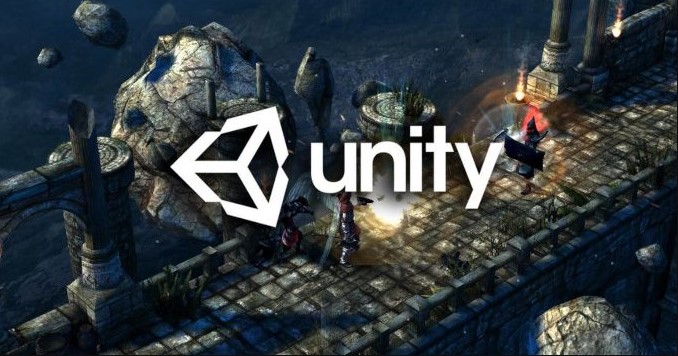
This game is a versatile and powerful game development platform, renowned for enabling developers to create 2D, 3D, VR, and AR experiences. Developed by Unity Technologies, it has become one of the most popular engines for indie and professional game developers worldwide.
This article explores the origins, features, workflows, and enduring appeal of Unity, as well as ways to leverage its capabilities for creating captivating games and interactive experiences.
Unity provides a comprehensive set of tools for designing interactive worlds, realistic physics, and immersive gameplay. With its intuitive editor, scripting capabilities, and asset integration, it empowers creators to bring ideas to life across multiple platforms.
With continuous updates, extensive documentation, and a thriving community, Unity has become a cornerstone of game development, supporting both beginners and advanced developers alike.
Development and Release of Unity
Unity was first released by Unity Technologies in 2005 and quickly gained recognition for its cross-platform development capabilities. Its initial focus was on making game creation accessible to both indie developers and larger studios.
Besides, thrilled by the action and pace in Unity? Then you’ll find Ben And Ed just as exhilarating, with similar elements that will draw you in.
Over the years, Unity has evolved with support for mobile, console, VR, and AR platforms, along with advanced rendering and physics systems. Its ecosystem includes the Asset Store, extensive scripting APIs, and a powerful editor that simplifies complex game development processes.
The engine’s flexibility, ease of use, and regular updates have helped it maintain popularity and relevance in the ever-changing landscape of game development technology.
Storyline and Setting of Unity
Unity itself is not a game but a development engine, so the “setting” revolves around the vast possibilities it offers for creative projects. Developers can create immersive worlds, realistic simulations, interactive storytelling, and innovative gameplay.
Whether you are building a fantasy RPG, a casual puzzle game, or a VR experience, Unity provides the tools to design, test, and deploy your projects efficiently. Its robust environment allows for experimentation, iteration, and optimization across all types of games.
Furthermore, if you are inspired by Unity’s flexibility, exploring Unreal Engine offers another creative avenue for high-fidelity game development and cinematic experiences.
Game Modes in Unity
This platform offers multiple modes and workflows to accommodate different development needs:
- 2D Mode: Create side-scrollers, puzzle games, and other 2D experiences using Unity’s dedicated 2D tools and physics. Optimize sprite management, animations, and tilemaps for smooth gameplay.
- 3D Mode: Build immersive 3D worlds, characters, and environments with advanced rendering, physics, and lighting features. Utilize meshes, materials, and shaders to craft visually rich experiences.
- VR/AR Mode: Develop virtual and augmented reality projects, supporting devices like Oculus, Vive, HoloLens, and ARKit/ARCore. Implement interactive environments and intuitive controls for immersive user experiences.
- Play Mode: Test your game in real-time within the Unity Editor to preview mechanics, debug issues, and iterate efficiently. Immediate feedback accelerates development and improves game quality.
Gameplay Mechanics of Unity
Unity’s gameplay tools allow developers to implement precise mechanics and interactive systems:
- Scripting and Physics: Use C# to implement gameplay logic, physics interactions, and object behaviors with precision. Create dynamic interactions, collision responses, and AI-driven mechanics to bring your game to life.
- Animation Tools: Animate characters and objects using Timeline, Animator, and blend trees for smooth and realistic motion. Seamlessly blend animations to enhance visual storytelling and gameplay fluidity.
- UI/UX Integration: Design interactive menus, HUDs, and interfaces that provide clear feedback and immersive experiences across platforms. Optimize for accessibility, responsiveness, and player engagement.
- Asset Management: Organize 3D models, textures, audio, and prefabs efficiently to streamline workflows. Proper asset management improves performance, collaboration, and iteration speed during development.
Beginner Tips and Tricks
New developers can get the most from Unity by following these suggestions:
Moreover, if this game kept you glued to the screen, prepare for more with Celeste, another game packed with memorable gameplay and excitement.
- Explore Tutorials: Follow official Unity tutorials to learn workflows, tools, and best practices from scratch. Step-by-step guides help build foundational skills efficiently.
- Use Asset Store: Access pre-built models, scripts, and assets to speed up prototyping and learning. Leveraging ready-made assets allows you to focus on gameplay and mechanics.
- Experiment with Play Mode: Frequently test mechanics and interactions to identify issues early in development. Iterative testing improves functionality and ensures smoother gameplay.
- Organize Projects: Keep scripts, assets, and scenes well-structured to maintain clean, efficient project management. Organized projects save time and reduce errors in larger builds.
- Leverage Community: Join Unity forums, Discord groups, and online communities for support, inspiration, and shared solutions. Engaging with experienced developers accelerates learning and problem-solving.
Important Features of Unity Game
Unity stands out because it gives creators the power to bring their ideas to life with surprising ease. Moreover, its flexible tools and supportive ecosystem make it one of the most trusted engines for developers worldwide.
1) Cross-Platform Support
Unity allows developers to build games for PC, consoles, mobile devices, VR/AR, and WebGL from a single project. This ensures compatibility across platforms while reducing development time and complexity.
Whether creating a mobile puzzle game or a console blockbuster, Unity simplifies deployment. Cross-platform support also expands potential audiences, allowing games to reach players on almost any device without rewriting code.
2) Intuitive Editor
The Unity Editor provides a user-friendly interface to manipulate scenes, assets, and components in real-time. Developers can drag-and-drop elements, preview changes instantly, and iterate rapidly, making prototyping and testing highly efficient.
The editor also supports advanced features like scene lighting, physics simulation, and animation preview, which streamline the development workflow. Its visual layout and organization help both beginners and experienced developers work faster and more creatively.
3) Powerful Scripting
With C# scripting, developers can implement advanced gameplay logic, AI behaviors, physics interactions, and UI systems. Unity offers complete control over mechanics, allowing for highly customizable and interactive game experiences.
The scripting system supports modular design, reusable code, and easy debugging, giving developers flexibility in building complex gameplay. Combined with event-driven programming and coroutines, Unity scripting can handle both simple interactions and large-scale game systems efficiently.
4) Rich Asset Store
Unity’s Asset Store is a vast library of models, textures, scripts, and tools. Developers can purchase or download free assets to speed up development, reducing time spent on repetitive tasks and enabling rapid prototyping.
The store also features plugins for AI, physics, networking, and visual effects, allowing teams to enhance their projects quickly. With community-contributed assets and official packages, developers gain access to high-quality resources that improve production quality and efficiency.
5) Real-Time Rendering
Unity supports advanced rendering pipelines, lighting systems, and post-processing effects. Developers can create visually stunning, high-fidelity graphics, dynamic lighting, and realistic environments, enhancing the player’s immersion and overall experience.
Features like real-time global illumination, HDRP/URP pipelines, and shader customization enable cinematic visuals in games of any scale. This level of graphical fidelity allows both indie and AAA developers to achieve impressive results without switching engines.
Advanced Gameplay Strategies
To elevate your Unity projects and maximize performance, consider these advanced strategies:
- Optimize Performance: Use efficient scripting, object pooling, batching, and memory management to maintain high frame rates and smooth gameplay across devices.
- Custom Shaders: Enhance visuals with custom shaders, advanced lighting effects, and post-processing to achieve professional-quality graphics and immersive atmospheres.
- Procedural Generation: Create dynamic levels, worlds, or environments programmatically for endless variety and replayability, reducing repetitive content creation.
- Networking: Implement multiplayer features using Unity’s networking tools to enable cooperative or competitive gameplay with real-time synchronization and minimal latency.
- Analytics Integration: Track player behavior, in-game actions, and progression to refine game design, improve engagement, and boost player retention over time.
Why Unity Is So Popular
Unity has gained immense popularity due to its accessibility, flexibility, and robust ecosystem. Beginners can start small, while professionals can build AAA-quality projects with the same tools.
Its regular updates, strong community, cross-platform support, and vast library of resources make it a go-to engine for millions of developers globally. The combination of usability and power ensures Unity remains at the forefront of game development technology.
System Requirements
To run Unity smoothly, your system should meet the following technical requirements for a responsive and efficient development experience:
- OS: Windows 10 64-bit / macOS 10.14 or later
- Processor: Intel Core i5 or equivalent
- Memory: 8 GB RAM
- Graphics: NVIDIA GeForce GTX 660 or AMD Radeon HD 7850 compatible
- Storage: 10 GB available space
Unity remains a premier development platform, offering developers the tools to bring creative visions to life across every type of interactive experience. For anyone looking to create professional-quality games or applications, Unity is a must-learn engine.



Leave a Reply